
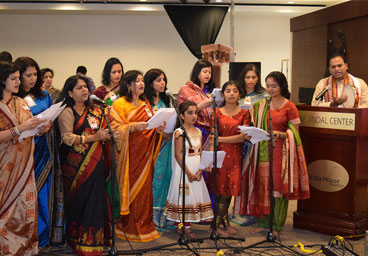
Curtain Raiser opening song by memebers of OCC as a devotional offering at the feet of Lord Jagannath to set the tone at the onset of the Cultural Extravaganza.
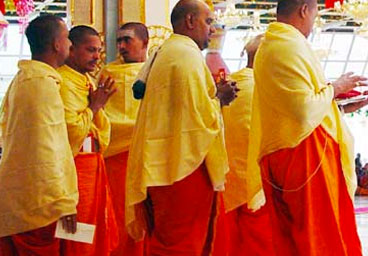
A Chantig by Vedic Scholars and Priests of Various Hindu Temples of Houston
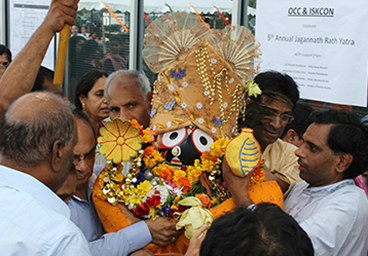
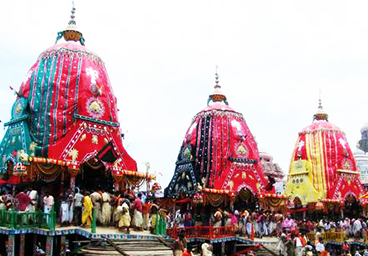
Lord Jagannth along with His Brother Balabhadra and Sister Subhadra are carried in a royal procession to the charriot by devotees..
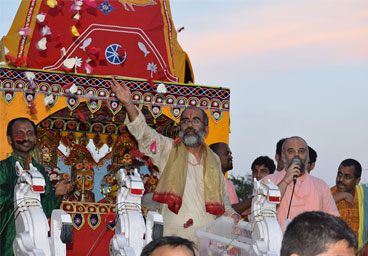
Devotees pull the chariot with utmost devotion with Kirtan by Devotees of ISKCON, Gaudiya Math and Namdwar and women doing "Garbha" on the streets.
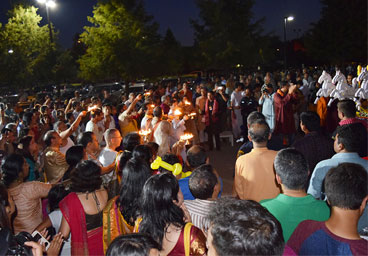
A mass offering of AARATI, by all devotees present, a rare blissful sight..
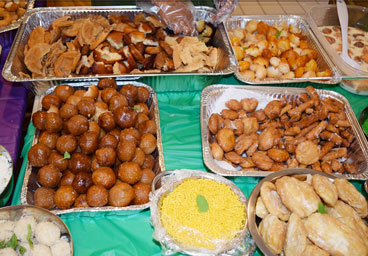
Free Mahaprasad (Dinner) distributed to all devotees present after Maha Aarati to conclude the event.
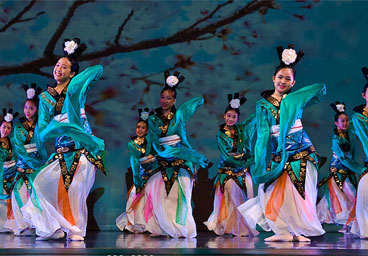
Dance of Asian America is a not-for-profit 501 (c) organization promoting and preserving the rich cultural heritage of China through authentic Chinese dance.
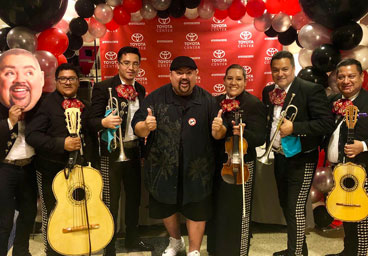
The premier classic mariachi band of the Houston area, from Katy Texas all the way to The Woodlands, Pearland, Sugar Land, Humble, Pasadena and Clear Lake.
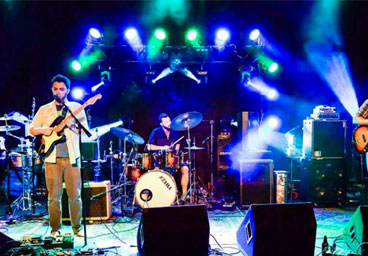
From a full band (lights and big sound) to accoustic up close and personal, "Way Station" is your undeniable choice!
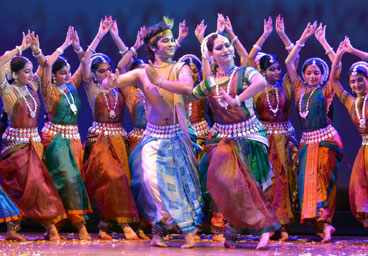
Indian Classical Dance & Music; Pankaj Charan, Kelu Charan, & Gangadhar Style Of Odissi.
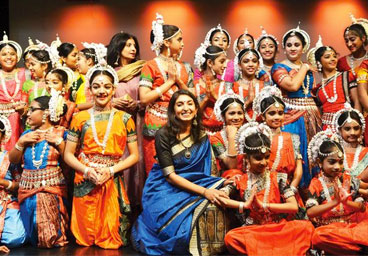
KALAANGAN, the Odissi School of Dance is located in Sugar Land, Texas. Kalaangan was established in 2003 as a centre of the performing arts, dedicated exclusively to Odissi.
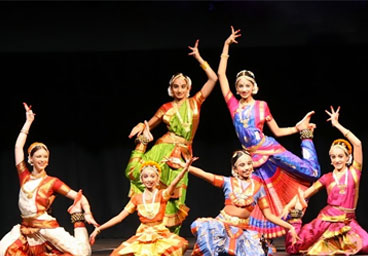
Anjali, Texas’ first and premier Indian dance academy, has blossomed into a renowned institution, under the direction of its Founder, internationally reputed danseuse Rathna Kumar.
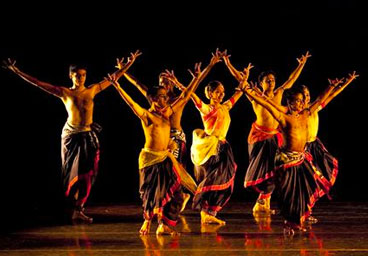
Students of Smt. Guru Indrani Parthasarathy Artistic Director of "Abhinaya School of Performing Arts" would perform dances choreographed in Bharathanatyam to traditional and contemporary themes.
A Chantig by Vedic Scholars and Priests of Various Hindu Temples of Houston
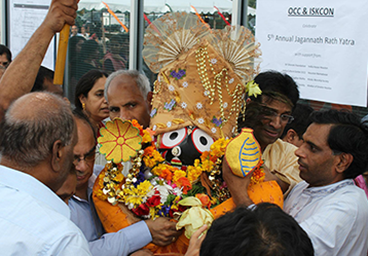
Lord Jagannth along with His Brother Balabhadra and Sister Subhadra are carried in a royal procession to the charriot by devotees..
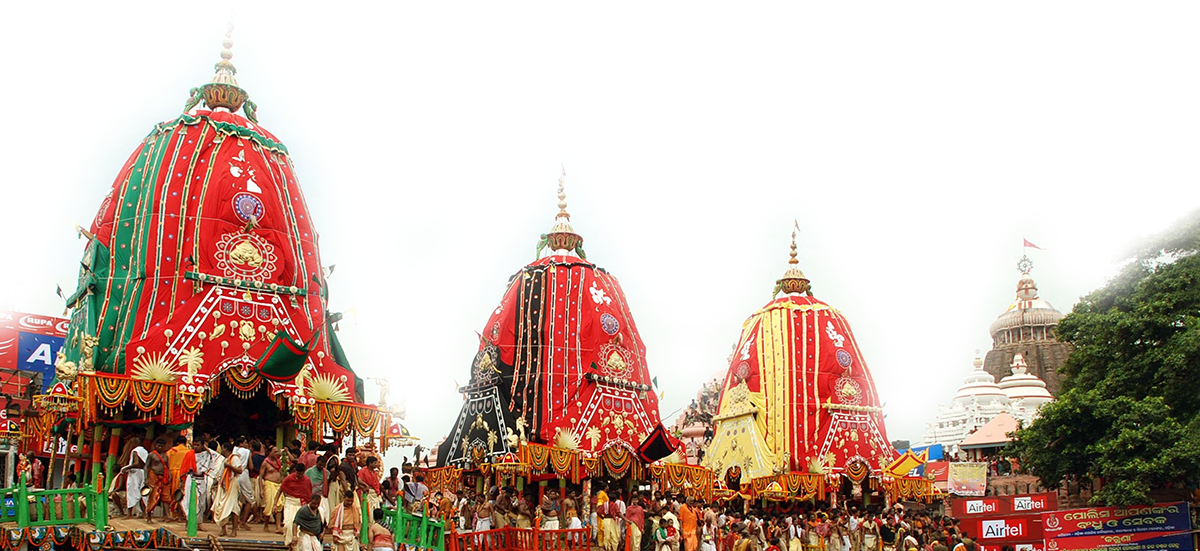
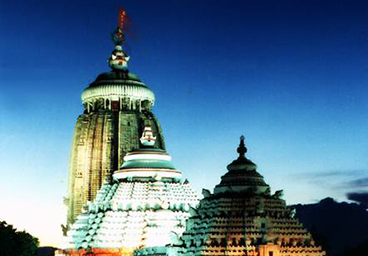
Lord Jagannath, the supreme personality of Godhead, the Lord of the Universe is the symbol of universal love and brotherhood. Sri Jagannath, He, who makes the devotees fearless and who grants liberation, appears in the form of “Daru Brahma” (the Supreme Soul in a Sacred Log), along with His elder brother Balabhadra, sister Subhadra, and armament Sudarshan on the bejeweled platform of the 12th century AD Jagannath temple in Puri, Odisha, India. In Sanskrit, ‘Ja’ represents Jagannath, ‘Ga’ represents Balabhadra, ‘Nna’ represents Subhadra, and ‘Tha’ represents Sudarshan. So Jagannatha or Jagannath means the union of the four deities in the form of Chaturdhha Murati or Four-Fold Form of the Lord. The images of Jagannath, the black color representing sunya or inscrutability, Subhadra, yellow representing the creative energy, Balabhadra, white representing love, peace, and enlightenment, and Sudarshan, red as blood representing life and vitality are the four races (e.g. Black, White, Yellow, and Red) of the world. This representation of the Lord is the unity in diversity.
Unlike the stone images of Hindu Gods, the unique and mysterious icons of Lord Jagannath, Balabhadra, Subhadra, and Sudarshan are carved from neem (margosa) wood. Based on the myths and legends, the idols of Jagannath, Balabhadra, and Subhadra are unfinished without any identifiable hands and legs. The deity of Jagannath is about 6 feet (1.83m) tall and black in color with over dimensional head. His enormous round eyes have three concentric circles- Red on the outer layer, white in the middle, and black in the center. The statue of Balabhadra is also approximately 6 feet tall with white color and almond shaped eyes. Both Jagannath and Balabhadra have stump like arms stretching forward at mouth level. Devi Subhadra’s idol is yellow in color and stands about 5 feet (1.52m) tall with oval shaped eyes and without hands and legs. Sudarshan, a cylindral projection of wood is approximately the same height as the two male deities.
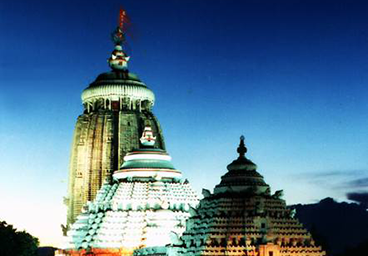
Lord Jagannath, an abstract form of Sri Krishna and Vishnu, is eternal. History cannot establish His appearance. However, legend says, king Indradyumna installed the wooden form of Jagannath in Satya Yuga (Era of Truth). Interestingly, the most ancient reference to sacred log (Daru) is found in Rig Veda. Vedic commentator, Sayanacharya ascribed the Rig Vedic sukta to Jagannath in terms of Purusottama (The Perfect Being). Jagannath has been mentioned in Uttara Khanda of Balmiki Ramayana. In Mahabharata, Jagannath has been represented to have a seat in Sankha Khetra. In puranic literature, Vishnu Purana, Matsya Purana, Agni Purana, Padma Purana, Narada Purana, Brahma Purana, and Skanda Purana, mention of Sri Jagannath and Purusottama Khetra have been found. Above all, the Jagannath Astakam of Adi Shankaracharya (788 AD-820 AD) is the vital historical literary piece on Jagannath which provides information about the temple and appearance of the deity. In 810 AD, Shankaracharya visited shrines at Puri and established Govardhana Matha (monastery).